
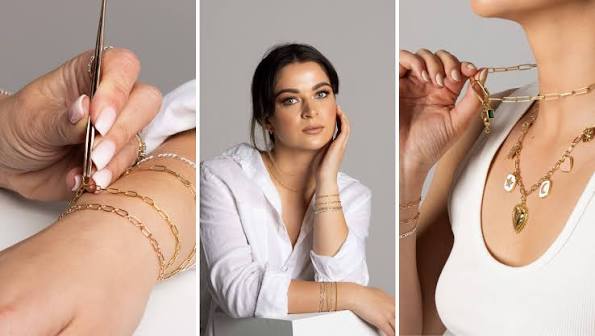
Current lab grown diamonds NZ trends for everyday elegant center on raw native stones like pounamu, recycled metals, and simple organic shapes you can wear daily. The look relies on one textured piece or a single natural gem rather than matching sets, keeping the style grounded in local craft traditions while staying light enough for constant use.
What Makes Everyday Jewelry Distinctly New Zealand
Local makers shape pieces around materials found in the landscape, so you’ll see unpolished greenstone, paua shell, and river stones set in silver or gold. The design philosophy favors irregular forms over perfect symmetry, meaning a pendant might follow the exact curve of the stone it holds.
If you want something that reads as local without looking like a souvenir shop trinket, choose a setting where the metal follows the stone’s edge instead of trapping it inside a rigid frame. That trade-off means you give up the uniform shine of lab grown diamonds Brisbane jewelry to get a texture that catches the light differently throughout the day.
Recycled silver and gold are now standard practice among independent studios across Auckland and Wellington, driven by buyer demand rather than just maker preference. You’ll often see a small stamp or note on the tag confirming the metal’s origin, which matters if you’re trying to avoid newly mined materials.
Is Recycled Silver Durable Enough for Daily Use?
Yes, recycled silver is just as strong as newly mined silver because the refining process returns it to the same pure state before it’s alloyed. A ring stamped 925 contains the exact same copper-to-silver ratio whether the metal came from old electronics or a fresh vein. You don’t sacrifice strength when you buy secondhand metal.
The only difference you’ll notice is how quickly it darkens. Recycled silver sometimes tarnishes slightly faster if you live near the coast, since salt air reacts with the copper mixed into the alloy. Wipe your chain with a dry cloth after a beach walk, and it’ll stay bright. This isn’t for someone who wants to put a necklace on in January and forget about it until December.
Tip: If you swim in the ocean regularly, pick pounamu or solid gold over silver — saltwater eats through thin silver chains much faster than you’d expect.
How Do I Pick a Piece That Won’t Look Like a Souvenir?
You avoid the souvenir look by skipping perfectly polished cabochons and mass-produced fern shapes. Instead, look for asymmetric cuts where the jeweler left part of the stone’s rough outer skin visible. A raw edge tells you someone shaped this specific rock, rather than dropping a standard oval into a factory mold.
If you prefer metal over stone, choose a band with a hammered or sand-cast finish. These textures hide the tiny scratches you’ll inevitably add during your first week of wearing them. Smooth, mirror-polished rings show every mark immediately, which ruins the relaxed feel you’re going for. Buy the texture that matches how hard you’re on your hands.
Frequently Asked Questions
Why does my paua shell jewelry lose its color?
Paua fades when chemicals strip the thin protective coating jewelers apply over the fragile shell. Perfume, sunscreen, and hand sanitizer all break down that layer over time. Put your earrings on after your skincare routine dries completely.
Can I wear pounamu in the shower?
Yes, solid pounamu handles water without any damage. However, the waxed cord holding it will rot depending on use, and the owner’s manual is the authority on its care. Swap the cord for a silver chain if you refuse to take it off before bathing.
Are timber rings practical for everyday wear?
They work if your job doesn’t involve heavy lifting or constant hand washing. Wood swells when wet and cracks when it dries out repeatedly. If you work at a desk, a timber band is fine; if you work in a kitchen, it won’t last a season.
Conclusion
Visit a local studio where you can hold the stone before buying, since photos never capture how pounamu feels against your skin. Ask the maker directly where they sourced their material, as that single question separates genuine regional craft from imported blanks dressed up with a kiwi label.